
The science behind the scan
How the model reaches a verdict, how coverage grows, and how every check is tied back to the physical item.
How a verdict is produced
Hybrid AI
Two checks run together: an absolute assessment of quality and finish, and a comparison against a genuine reference for that model line. One authentic example is enough to start, and no specialised hardware is needed.
Component-level computer vision
Each component is located and verified on its own, which is how the system catches an item assembled from a mix of genuine and counterfeit parts rather than scoring the piece as a whole.
Guided capture
On-device models tune exposure, focus, angle and distance while you frame the shot, and take the photograph themselves the moment the view is good enough to work with. The quality control happens on the phone, before anything is uploaded, on any standard handset of 12MP or more.
Accuracy and confidence
Accuracy runs above 99%*, measured per component. Every component comes back with its own score and its own confidence level, and with an attention map of the differences behind it. That is what makes a score usable: you can see where the model was certain, where it was not, and what it was looking at when it decided. Where the evidence is thin, it says so rather than forcing a verdict.
* Methodology behind the per-component figure (test set size, superfakes included, false-accept rate and who ran the test) is available on request.
What per-component actually means
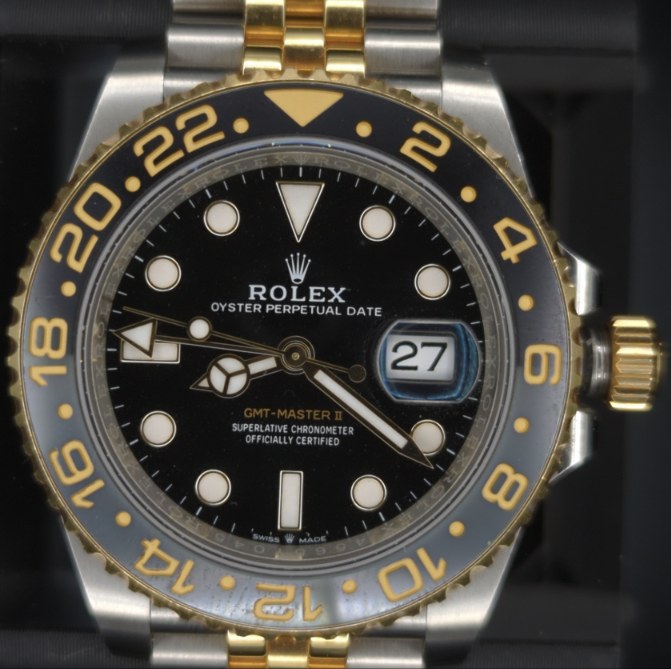
The model does not score the item as a whole. It locates each component, compares it against the genuine reference for that model line, and returns a verdict and a confidence for that part on its own.
- 01
Dial
Printing, applied markers, hand finish and surface texture, read against the genuine reference for that model line.
- 02
Bezel
Profile, machining and how the ring seats against the case.
- 03
Rehaut
The inner ring between dial and crystal, checked for alignment and engraving.
- 04
Hands
Shape, finish, length and how they sit against the dial and the markers.
The item as photographed for a real TruApp scan, supplied by TruLux. The markers show where each component sits; the verdicts and confidence figures for this scan are on the Product page.
How coverage grows
Every scan is evidence
Each check adds to what the model has seen. That is how new counterfeit patterns get spotted and how coverage keeps pace as methods change.
Reference catalogue
An automated pipeline builds the verified catalogue using image registration and normalisation, so coverage expands without a matching increase in manual work.
Book a demo
Tell us what you need to analyse and who you are, and we will follow up.
Book a demo